
Yoga Classes at Horos
Yoga classes at Horos are a holistic practice that combines movement, breath, and awareness. Through adaptable yoga postures (asanas), the body is mobilized, exercised, and strengthened in a natural and safe way, while awareness of the breath and one’s personal rhythm is gradually cultivated. The emphasis is not on performance or achieving the “perfect” pose, but on developing a more meaningful relationship with the body within a calm environment of care and respect for each person’s limits.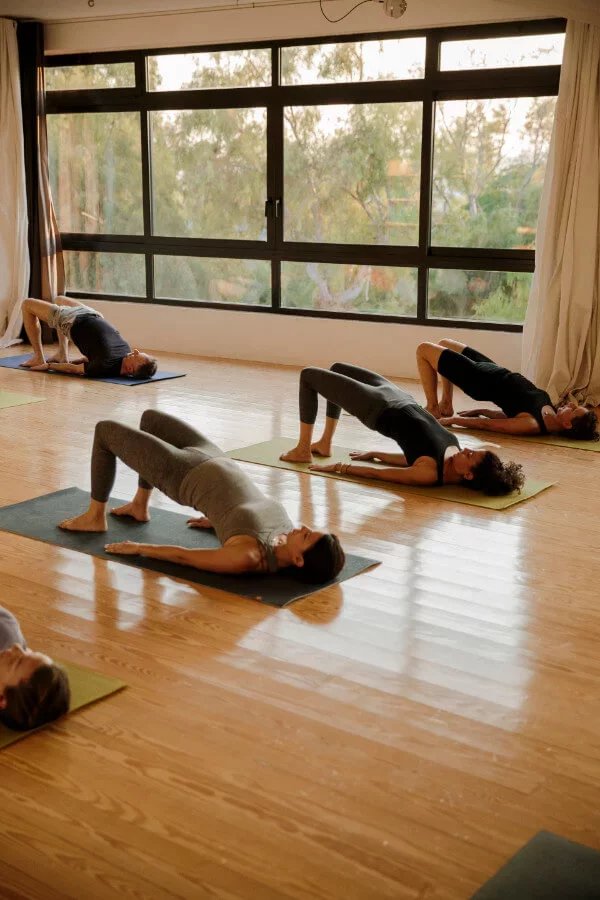

Hatha Yoga 1
This class is designed for beginners, for those returning to the mat, for individuals with mobility or anatomical limitations, for anyone recovering from an injury, as well as for people with chronic musculoskeletal or other physical conditions, older adults, and anyone wishing to participate in a slow-paced Hatha Yoga class.
It offers the time and space to experience the asanas (body postures) more internally and to cultivate a deeper connection with the breath.
Key features of this class include a slow and steady pace, personalized variations of asanas (adapted to each individual’s needs), and foundational breathing exercises (pranayama).
Hatha Yoga 2
This class is designed to strengthen and detoxify the body, revitalize the nervous system, and expand the capacity of the breath, promoting physical well-being, mental clarity, and energetic balance.
It is ideal for practitioners who wish to deepen their practice, train the body through mindful awareness and breath, and develop a greater sensitivity to their energetic field.
A medium-level class, it combines a steady, mindful pace with moderate to strong physical intensity, offering both a grounded physical workout and a deeper inner experience.
Flow Hatha Yoga
The content of this class remains the same as that of Hatha Yoga, but it differs in the way it is practiced.
All asanas (body postures) are performed in sequence, often linked together through vinyasa — a series of movements synchronized with the rhythm of the breath.
The class focuses more on bodily awareness and the felt sense of movement, while still maintaining the holistic and integrative approach of yoga.
It is suitable for practitioners who already have a basic familiarity with Hatha Yoga, as well as for beginners who have experience with physical exercise.
The intensity and pace of the class are adapted by the instructor each time, according to the level and needs of the students participating.
Hatha Yoga Open Level
This class is suitable for practitioners of all levels of Hatha Yoga and focuses on integration, adaptability, and deepening of the practice. Practitioners with experience in more intense physical exercise have the opportunity to explore simpler asanas in depth, gaining a better understanding of how they function in the body. At the same time, those who prefer a gentler pace can approach postures they might not typically study, broadening their experience and awareness.
The pace and intensity of the class are adapted by the instructor each session, according to the level and needs of the practitioners, ensuring that everyone can fully benefit from the practice.
Yoga Nidra
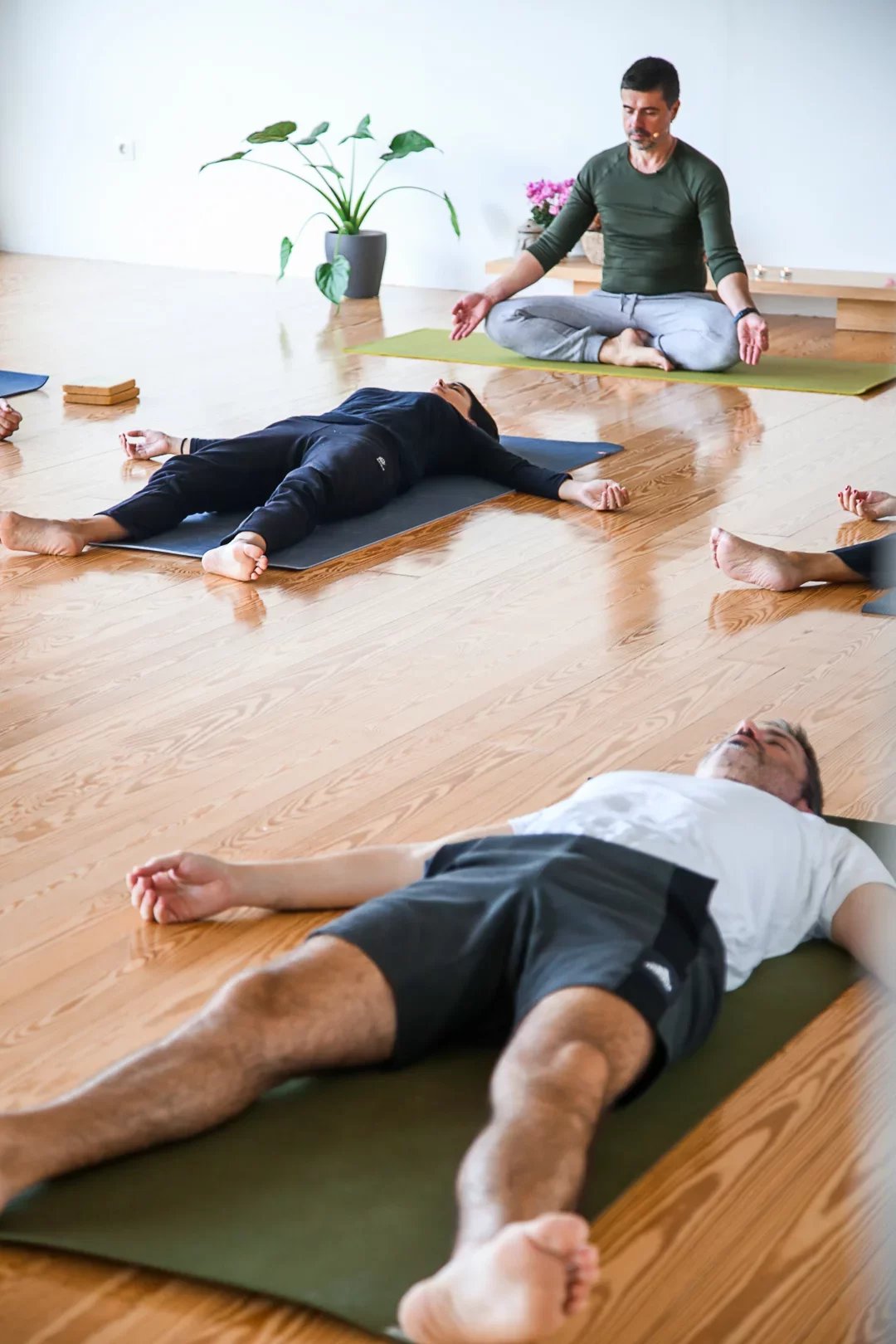
Yoga Nidra is a form of guided meditation and deep relaxation, often referred to as the “yoga of sleep.”
Key Features:
- Deep Relaxation: Practitioners lie in Savasana (lying on the back) and follow the teacher’s guidance, without the need for any physical effort.
- Conscious Awareness: Although the body relaxes completely, the mind remains alert and aware, leading to a state of deep wakefulness within relaxation.
- Guided Techniques: Often includes body scans, visualizations, setting intentions (Sankalpa), and breath awareness.
- Benefits:
- Reduces stress and tension
- Improves sleep quality
- Rejuvenates the nervous system
- Enhances awareness and self-knowledge
Unlike other forms of yoga that focus on movement and strength, Yoga Nidra emphasizes active relaxation and inner rejuvenation, making it suitable for all levels and physical abilities.
Meditation
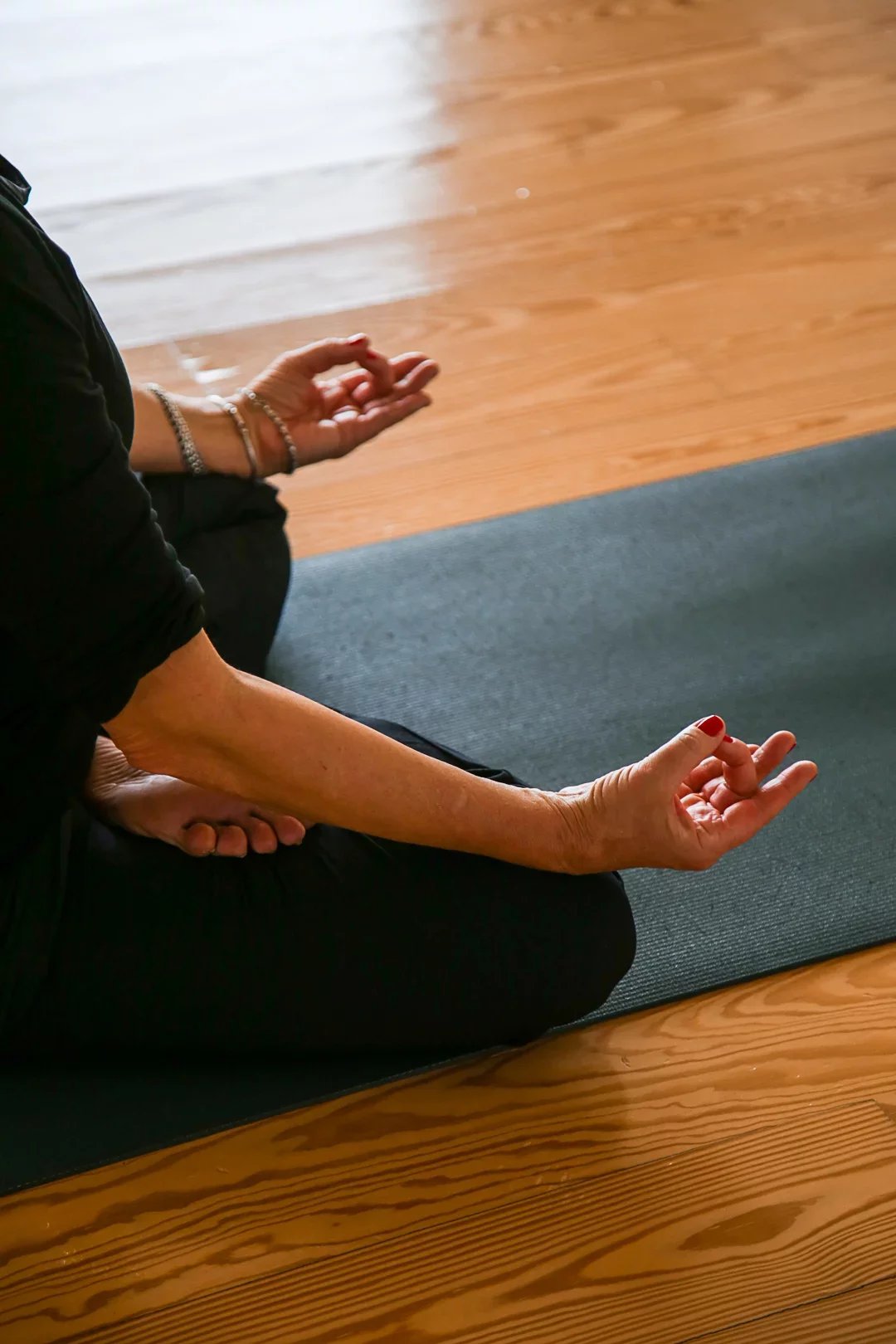
Meditation is a practice aimed at focusing the mind, cultivating inner calm, and enhancing present-moment awareness.
Key Features:
- Concentration or Focus: The mind is directed toward an object, sound, breath, or sensation.
- Relaxation and Calm: The practice reduces stress and tension, promoting mental and physical relaxation.
- Self-Observation: Practitioners learn to observe their thoughts, emotions, and reactions without judgment.
Benefits:
- Reduces stress and anxiety
- Improves focus and memory
- Enhances self-awareness and mindfulness
- Supports better emotional regulation
There are many types of meditation, including focused meditation, mindfulness, transformational/visualization meditation, and breath-based meditation, among others.
Let's Talk
Sp. Patsi 69, Votanikos-Gazi3rd floor 11855 Athens
info@horosyoga.com
210 341 4547 - 69 4606 1264